
How to stop ruminating about a mistake at work: repair, learn, close
How to stop ruminating about a mistake at work: fix what can be fixed, turn 'why did I' into 'how do I', treat yourself as you would a colleague, and know when to get help.
Topic
Steady attention, kinder thoughts.
Stress, anxiety, mood and focus, explained plainly and backed by evidence — with practical tools for calmer days and clear signposts to professional help.
This section covers the everyday workings of the mind: stress, worry, low mood, focus and the body's alarm system. We explain what is happening when you feel anxious or flat, which self-help tools have reasonable evidence behind them, and where self-help stops and professional support should begin.
Mental-health topics deserve extra care, so every article here leans on clinical guidance and research reviews, admits where the evidence is thin and points to urgent help when it matters. Nothing here replaces a diagnosis or treatment from a qualified professional.
Where to start: understanding anxiety explains what anxiety is and when it becomes a problem. For something you can use in the next five minutes, try breathing to calm down. If your mood is low, walking for mental health is a gentle first step.
How to stop ruminating about a mistake at work: fix what can be fixed, turn 'why did I' into 'how do I', treat yourself as you would a colleague, and know when to get help.

Box breathing vs 4-7-8 breathing compared side by side: the counts, how each feels, what the research actually tested, and which one suits which moment.

How to calm down before a job interview, from the night before to the first question: preparation that lowers nerves, a quick breathing reset and an excitement reframe.

Why your mind replays and rehearses at bedtime, and how to stop overthinking at night with a scheduled worry time, a specific to-do list and a plan for in bed.

Why the 'Sunday scaries' build up as the weekend ends, and how to stop Sunday night anxiety with a Friday shutdown list, a small Sunday ritual and a set first task.

The 5-4-3-2-1 grounding technique explained: the five steps, why naming what your senses notice helps in panic or a flashback, and quiet versions for public.

What to do during a panic attack in public: a calm plan for the moment, simple words to say to people nearby, what to do afterwards and when to see a doctor.

A calm, evidence-based guide to anxiety: why it happens, how ordinary worry differs from an anxiety disorder, what helps day to day, and when to seek support.
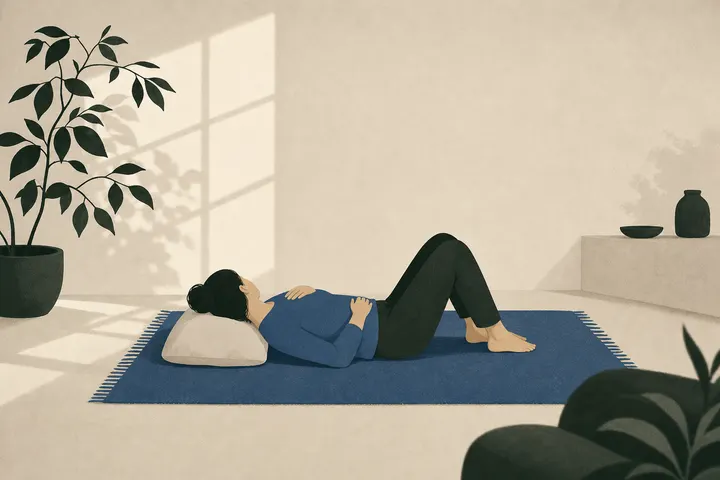
Three simple breathing techniques you can use in minutes when stress spikes, what the research actually shows, and how to make them part of your day.

What research says about walking, mood, depression and anxiety, how much seems to help, and how to turn a daily walk into a habit that supports your mind.
Other topics